

Introduction
Acupuncture, an ancient practice that’s gained popularity in the modern world, is known for its ability to promote healing, alleviate pain, and enhance overall well-being. If you’re new to acupuncture or planning your first appointment, it’s beneficial to familiarize yourself with some key terms. This will help you better understand the process and engage in meaningful discussions with your acupuncturist. Here are ten essential acupuncture terms to get you started:
10 Acupuncture Terms You Should Know
1. Acupoint
Acupoints, a term known as acupuncture points, are precise locations on the body where acupuncturists insert needles. These points are carefully selected based on an individual’s specific health concerns and are fundamental to the practice of acupuncture. They are not randomly chosen; rather, they follow a well-established system that has been developed over centuries.
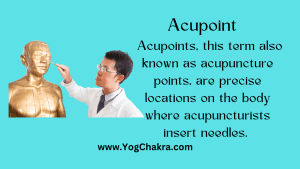
Acupuncturists consider various factors, including the patient’s symptoms, overall health, and the principles of Traditional Chinese Medicine (TCM) to determine the most appropriate acupoints for treatment.
The selection of acupoints plays a pivotal role in balancing the body’s vital energy, or “qi.” By targeting these specific points, acupuncturists aim to restore harmony and facilitate the body’s natural healing mechanisms. Each acupoint has its unique properties and therapeutic effects, making the practice of acupuncture highly individualized and adaptable to a wide range of health conditions.
2. Meridian
In the realm of Traditional Chinese Medicine (TCM), a meridian term refers to a pathway or channel through which a vital life force, known as “qi,” flows throughout the body. There are twelve primary meridians, each associated with a specific organ or function. These meridians form an intricate network, connecting different parts of the body and facilitating the circulation of energy.

Each meridian is linked to certain acupoints, and the flow of qi through these channels is crucial for maintaining overall health. In TCM, it is believed that imbalances or blockages in the flow of qi along these meridians can lead to various health issues. Acupuncture aims to restore equilibrium by stimulating the appropriate acupoints along the affected meridians.
Other Acupuncture Article
21 Acupuncture Quotes to Inspire Wellness and Balance
12 Things You Should Know About Acupuncture
Acupuncture Therapy For Weight Loss
3. Qi (Chi)
Qi is the foundational concept in acupuncture and Traditional Chinese Medicine. It can be described as vital energy or life force, the animating essence that sustains all living beings. In the context of acupuncture, practitioners seek to balance the flow of qi within the body.
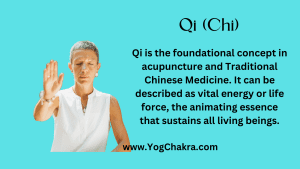
When qi flows smoothly and harmoniously through the meridians, it is believed that a person experiences good health and well-being. However, disruptions or imbalances in the flow of qi can lead to physical and emotional ailments.
Acupuncture treatments are designed to remove blockages, encourage the smooth circulation of qi, and promote the body’s innate capacity to heal itself. By aligning the body’s energy and restoring balance, acupuncture contributes to overall wellness and can alleviate a wide range of symptoms and conditions.
4. Moxibustion
Moxibustion is a complementary therapy closely associated with acupuncture. It involves the burning of dried mugwort, a type of herb, near specific acupoints. The heat generated during moxibustion stimulates the flow of qi and enhances the effects of acupuncture. This practice can be employed in two main ways: direct moxibustion, where a small amount of moxa is placed directly on the skin, or indirect moxibustion, where a practitioner holds a burning moxa stick close to the skin.
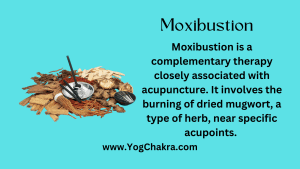
Moxibustion is often used to strengthen the body’s vital energy, especially in cases of cold or deficiency conditions. It can be a valuable addition to acupuncture treatments to address a wide range of health concerns.
5. TCM (Traditional Chinese Medicine)
Traditional Chinese Medicine is an acupuncture term that refers to a comprehensive healthcare system that has its roots in ancient China. It encompasses a wide array of therapies, including acupuncture, herbal medicine, dietary recommendations, and other holistic practices. TCM is built on the principles of balancing the body’s vital energies and harmonizing its various systems to promote health and prevent illness.
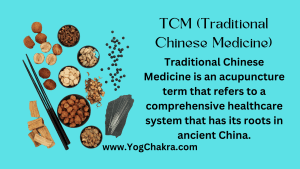
Acupuncture is a central component of TCM and is used to treat a broad spectrum of physical and mental health issues. In TCM, the body is viewed as a complex network of interrelated systems, and the focus is on achieving balance and harmony within this network.
6. Meridian Clock
The meridian clock is an acupuncture term a diagram that illustrates the approximate times when each of the twelve main meridians in the body is most active and at its peak energy level. This clock is used to guide the timing of acupuncture sessions for maximum effectiveness. The idea is that by scheduling acupuncture treatments to align with the body’s natural energy rhythms, the therapeutic benefits can be enhanced.
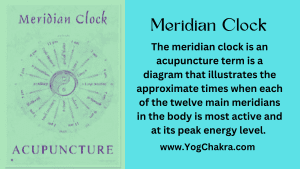
For example, the Lung Meridian is most active from 3 a.m. to 5 a.m., so individuals with respiratory issues might benefit from scheduling acupuncture sessions during this time to address their specific health concerns. By taking advantage of the meridian clock, acupuncturists can optimize the treatment’s effects based on the body’s inherent energy patterns.
Wellness Articles You Might Like
A Holistic Approach to Health: Understanding the Four Components of Wellness
The Synergy of Yoga and Chiropractic Care: How They Promote Wellness
The Ultimate Guide to Improving Your Well-Being Through the 8 Dimensions of Wellness
14 Holistic Practices For Wellness
7. Needling Sensation
During an acupuncture session, it’s common to experience a needling sensation at the point where the needles are inserted. This sensation varies from person to person and can range from a mild ache to a gentle tingling or warmth. It is often interpreted as a positive sign by acupuncturists because it indicates that the acupoint has been activated.
The needling sensation is associated with the flow of qi and can signify the body’s response to the treatment. Some people find it relaxing, while others may not notice it at all. The sensation typically subsides as the session continues, and many patients find acupuncture to be a comfortable and soothing experience. This acupuncture term may sound scary to some but the sensation is quite painless.
8. Electroacupuncture
Electroacupuncture is an acupuncture term that refers to an advanced technique in which low-level electrical currents are applied to the acupuncture needles. This method is used to further stimulate the acupoints and enhance the therapeutic effects of acupuncture. By introducing a controlled electrical pulse, acupuncturists can target specific areas more precisely and provide a continuous source of stimulation.

Electroacupuncture is often employed when a stronger or more consistent stimulus is needed, such as in cases of chronic pain or certain neurological conditions. It can be an effective complement to traditional acupuncture, offering a different approach to treatment.
Our Popular Yoga Articles
32 Best and Upcoming Yoga YouTube Channels
Discovering the Magic of Yoga Nidra: An Introduction
Unroll Your Mat Anywhere: Meet 6 Online Yoga Teachers Who Will Guide You
The Fascinating World of Yoga Statistics: Insights and Trends You Need to Know
Exploring the Divine Feminine: A Journey Through the 10 Goddesses in Yoga Practice.
Mindful Living: 54 Yoga Affirmations for a Conscious Mindset
9. Cupping
Cupping is a complementary therapy that involves placing cups on the skin to create suction. The suction effect can help improve blood circulation and relieve muscle tension. While cupping is a distinct practice from acupuncture, it is often used in conjunction with acupuncture treatments to address a wide range of health concerns. Cupping terms are often used in acupuncture and the name suggests the process.

Cupping therapy is particularly well-known for the circular marks it leaves on the skin, known as “cupping marks.” These marks are temporary and typically fade within a few days. Cupping is believed to help release muscle knots, reduce inflammation, and promote relaxation.
10. Acupuncture Session
The term acupuncture session refers to an appointment during which you receive acupuncture treatment. Each session typically involves several components:
- Initial Assessment: At the beginning of the session, your acupuncturist will conduct an assessment to understand your specific health concerns, symptoms, and overall well-being. This may include questions about your medical history, lifestyle, and any recent changes in your health.
- Needle Insertion: After the assessment, your acupuncturist will select the appropriate acupoints and insert thin, sterile needles into these points. The number of needles used and their placement will vary based on your individual needs.
- Relaxation Period: Once the needles are in place, you will have a relaxation period where you can rest while the acupuncture treatment takes effect. Many people find this phase to be calming and even fall asleep during the session.
- Needle Removal: After a designated period, the acupuncturist will gently remove the needles. This part of the process is typically painless.
- The number of acupuncture sessions you require will depend on your specific health goals and the nature of your condition. Acupuncturists often recommend a series of treatments to achieve the best results.
Conclusion
By familiarizing yourself with these key acupuncture terms, you’ll be better prepared for your acupuncture journey. This understanding can help you communicate effectively with your acupuncturist, make informed decisions about your health, and appreciate the intricate and holistic nature of acupuncture as a complementary healthcare approach.
Explore Acupuncture Resources


