

Introduction
A warm cup of tea, gently steaming and brimming with flavor, has the power to do more than just satisfy your taste buds. It can be a doorway to holistic harmony, a serene journey for your mind, body, and spirit. In a world filled with hustle and bustle, where stress and distractions often take center stage, the art of tea offers a path to rediscover the importance of holistic well-being.
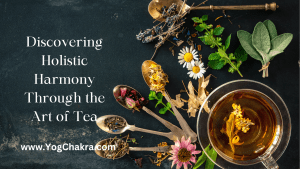
In this blog post, we’ll explore how tea, beyond its delightful taste, is a vessel for nurturing holistic harmony in our lives.
We’ll delve into the historical traditions, the myriad varieties of holistic teas, their numerous benefits, and the art of mindful tea preparation and consumption.
We’ll discover the connection between holistic tea and a broader holistic lifestyle, where each sip becomes a step toward balance and inner peace.
The History and Tradition of Tea
Origins of Tea in Different Cultures
Tea, often considered the elixir of tranquility, has a rich and diverse history that spans several cultures and centuries. The story of tea begins with intriguing legends, making it a captivating subject of exploration. Here is how tea originated in ancient cultures:
China: The Cradle of Tea Dating back to nearly 2737 BC, the Chinese legend of Emperor Shen Nong’s discovery of tea leaves falling into a pot of boiling water provides the earliest known account of tea. Chinese tea culture, with its intricate ceremonies and reverence for the tea plant, laid the foundation for tea traditions worldwide.
Japan: The Way of Tea In Japan, tea took on a unique form with the development of the tea ceremony, known as “Chanoyu” or the “Way of Tea.” This Zen-inspired practice emphasizes mindfulness, aesthetics, and the harmonious connection between the host and the guests.
India: Chai and Ayurveda India, the birthplace of chai, have a tea tradition deeply intertwined with Ayurveda. Chai, a spiced tea blend, has not only delighted the palate but also served as a holistic remedy for various ailments.
Middle East: The Art of Hospitality In Middle Eastern cultures, tea is not merely a beverage but a symbol of hospitality. The intricate preparation of mint tea, in particular, is a gesture of warm welcome and social bonding.
Historical Significance of Tea as a Holistic Beverage
Tea’s historical significance extends far beyond being a simple beverage. It has been revered as a holistic elixir in various cultures for its therapeutic and meditative qualities.
Medicinal Uses: Tea was initially consumed for its medicinal properties. Ancient texts from China and India document the health benefits of various tea types, from aiding digestion to boosting the immune system.
Holistic Healing: Tea has been used in holistic systems of healing, such as Traditional Chinese Medicine and Ayurveda. The careful selection and blending of herbs and spices in teas are believed to restore balance and vitality.
Rituals and Traditions Associated with Tea

Tea ceremonies and rituals have flourished as a way to celebrate the art of tea and its ability to foster inner harmony.
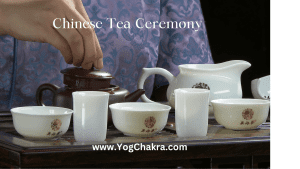
Chinese Tea Ceremonies: China’s Gongfu Cha and other tea ceremonies are intricate performances that celebrate the beauty of tea preparation. Each movement and step holds symbolic significance.
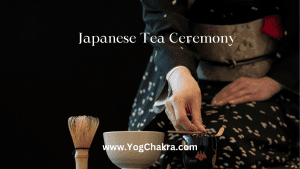
Japanese Tea Ceremony: Japan’s Chanoyu, or “Sado,” is a profound cultural practice involving the precise preparation and presentation of matcha tea. It embodies the principles of harmony, respect, purity, and tranquility.
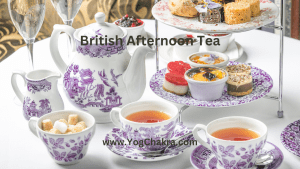
British Afternoon Tea: The British have a unique tradition of afternoon tea, with its elegant teapots, fine china, scones, and finger sandwiches. It’s an occasion to savor tea and scones while socializing.
Exploring these tea rituals and traditions reveals the deep cultural and spiritual connections that have been formed over centuries, making tea not just a beverage but a way of life that promotes holistic well-being.
The Many Varieties of Holistic Tea
Holistic teas come in a diverse array of types, each with its own characteristics and flavors. Some of the most popular varieties include:
Green Tea: Known for its delicate taste and high levels of antioxidants, green tea is renowned for its potential to support metabolism, enhance cognitive function, and promote cardiovascular health.
Herbal Tea: Herbal teas encompass a wide range of infusions made from herbs, flowers, and spices. They offer a holistic approach to wellness with options like chamomile for relaxation, ginger for digestion, and peppermint for soothing an upset stomach.
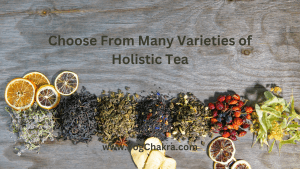
Black Tea: Full-bodied and robust, black tea is often favored for its comforting and invigorating qualities. It contains caffeine and can provide a gentle energy boost while supporting heart health.
White Tea: White tea is the least processed among tea varieties, resulting in a delicate and subtly sweet flavor. It’s rich in antioxidants and is believed to have anti-aging properties.
Oolong Tea: Oolong tea falls between green and black tea in terms of oxidation. It offers a balanced taste and potential benefits for weight management and digestive health.
Chai Tea: A blend of black tea and warming spices, chai tea is a comforting choice. It may support digestion and provide a sense of warmth and vitality.
Unique Properties and Benefits of Each Type
Green Tea: Green tea’s high concentration of catechins helps combat oxidative stress and inflammation. It’s linked to improved brain function, fat loss, and reduced risk of various diseases.
Herbal Tea: The benefits of herbal teas vary depending on the ingredients. Chamomile, for instance, promotes relaxation and sleep, while ginger tea aids digestion and can alleviate nausea.
Black Tea: Black tea contains theaflavins which have antioxidant properties. Regular consumption is associated with heart health and may help reduce the risk of stroke.
White Tea: White tea contains polyphenols, which may protect the skin from premature aging and improve oral health. It’s a calming option due to its lower caffeine content.
Oolong Tea: Oolong tea is known for its potential to help with weight management. It contains antioxidants and caffeine, which can boost metabolism and energy levels.
Chai Tea: The spices in chai, like cinnamon and cardamom, offer anti-inflammatory and digestive benefits. Black tea in chai provides a moderate caffeine boost.
Choosing the Right Tea for Your Needs
Choosing the right holistic tea depends on your personal preferences and wellness goals:
For Relaxation: Opt for herbal teas like chamomile or lavender, known for their calming properties.
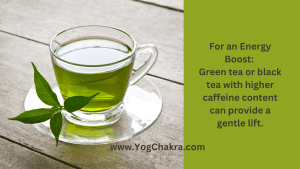
For an Energy Boost: Green tea or black tea with higher caffeine content can provide a gentle lift.
For Digestive Support: Ginger or peppermint tea can aid digestion and soothe stomach discomfort.
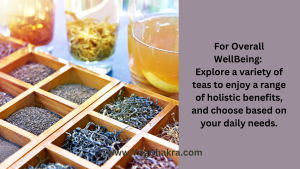
For Overall WellBeing: Explore a variety of teas to enjoy a range of holistic benefits, and choose based on your daily needs.
By understanding the characteristics and benefits of different teas, you can select the one that best aligns with your holistic well-being goals. Whether you seek tranquility, vitality, or balance, there’s a holistic tea to suit your needs.
The Holistic Benefits of Tea
Tea, beyond its delightful taste, offers a wide range of physical health benefits that make it a holistic beverage of choice:
1. Antioxidant Properties: Tea, especially green tea, is rich in antioxidants such as catechins. These compounds help neutralize free radicals in the body, reducing cell damage and the risk of chronic diseases.
2. Immune System Support: The polyphenols found in tea can strengthen the immune system. Regular tea consumption may help the body fend off infections and illnesses.
3. Digestive Aid: Certain herbal teas, like ginger and peppermint, have natural properties that soothe digestive discomfort. They can ease symptoms of indigestion, bloating, and nausea.
Mental and Emotional Benefits
Tea’s benefits extend beyond physical health, influencing mental and emotional well-being:
1. Stress Reduction and Relaxation: A hot cup of tea has an innate soothing quality that can ease stress and induce relaxation. The act of sipping tea mindfully can provide a moment of tranquility on a busy day.
2. Improved Focus and Mental Clarity: Tea, with its moderate caffeine content and amino acid L-theanine, can enhance cognitive function. It promotes alertness while maintaining a sense of calm and focus.
Mindful Tea Preparation and Consumption
Tea, as an art and a holistic practice, is deeply rooted in mindfulness. The act of preparing and savoring tea can be a meditation in itself. Here’s why mindfulness is so important:
Connection to the Present: When you prepare tea mindfully, you have the chance to fully immerse yourself in the present moment. In doing so, you can let go of nagging worries and distractions that might otherwise cloud your thoughts.
Enhanced Sensory Experience: Practicing mindfulness while making and sipping tea enriches your sensory encounter. You’ll find yourself attuned to the delicate aroma of the tea leaves, the tactile experience of handling them, the sound of water boiling, and the evolving taste of the infusion. This sensory engagement can be a deeply gratifying part of your tea ritual.
Stress Reduction:* Engaging in a mindful tea ritual isn’t just about the tea itself; it’s also an opportunity to reduce stress and seek inner calm amid the hustle and bustle of a demanding day. It provides a peaceful pause, allowing you to let go of the pressures of your surroundings and find tranquility within yourself.
Step-by-Step Guide on How to Brew the Perfect Cup of Holistic Tea
Select Quality Tea: Start by choosing high-quality tea leaves or tea bags. The freshness and quality of the tea significantly affect the flavor and benefits.
1. Boil Fresh Water: Use fresh, cold water and bring it to the appropriate temperature for your tea type. For instance, green tea requires water just below boiling, while black tea benefits from boiling water.
2. Measure Tea: Use the recommended amount of tea leaves or tea bags per cup. Typically, a teaspoon of loose tea leaves or one tea bag is sufficient for an 8-ounce cup.
3. Preheat Teapot or Cup: Pour a small amount of hot water into the teapot or cup to preheat it. Discard this water.
4. Brewing Time: Follow the suggested steeping time for your specific tea type. Steeping too long can lead to bitterness, while steeping too briefly may not extract the full flavor.
5. Mindful Steeping: As the tea steeps, engage in mindfulness. Observe the color change, inhale the aroma, and appreciate the anticipation of a perfect cup of tea.
6. Remove Tea Leaves or Tea Bag: Once the tea has steeped for the recommended time, remove the tea leaves or tea bag to prevent overbrewing.
7. Enjoy: Sip your tea slowly, savoring each flavor note and the warmth it brings.
Significance of Tea Ceremonies and Their Role in Mindfulness
Tea ceremonies, such as the Japanese Chanoyu, are a beautiful example of mindfulness in action. They emphasize the practice of being fully present during the preparation and consumption of tea. Key aspects of tea ceremonies include:
Precise Rituals: Every movement in a tea ceremony has meaning, from the way tea is scooped and whisked to how it’s presented to guests.
Silence and Contemplation: Silence is a fundamental part of tea ceremonies, allowing participants to focus on the sensory experience and their connection to the present moment.
Cultural Significance: Tea ceremonies carry cultural and spiritual significance, highlighting the value of mindfulness not just in tea but in life as a whole.
Embracing the principles of tea ceremonies in your own tea rituals can enhance your mindfulness practice. The simple act of brewing and enjoying a cup of tea can be a gateway to deeper awareness and inner tranquility.
Herbal and Holistic Infusions
Herbal infusions, often called herbal teas or tisanes, are a delightful avenue to explore the world of holistic well-being through the comforting ritual of tea. Unlike traditional teas derived from the Camellia sinensis plant, herbal infusions are crafted by steeping various herbs, flowers, and botanicals in hot water. These aromatic concoctions not only offer captivating flavors but also bring with them holistic properties that can enhance your overall health and wellness.
The holistic properties of herbal infusions encompass a wide range of benefits, including soothing qualities, digestive aid, and even therapeutic support for various health concerns. This section will guide you through the herbs and botanicals commonly used in holistic tea blends, helping you understand their individual properties and how they can contribute to your holistic well-being.
Common Herbs and Botanicals Used in Holistic Tea Blends
Some common holistic tea blends include but are not limited to :
1. Lavender: Lavender, known for its enchanting fragrance, is not only a delightful addition to tea but also a soothing herb that can help calm your nerves and reduce anxiety. Its calming properties make it a perfect choice for winding down after a long day.

2. Peppermint: With its invigorating menthol flavor, peppermint is a versatile herb often included in herbal tea blends. It aids digestion, providing relief from indigestion, bloating, and nausea. Sipping a cup of peppermint tea can bring comfort to your stomach and clarity to your mind.
3. Hibiscus: Hibiscus petals produce a vibrant, ruby-red infusion known for its delightful tartness. Beyond its tangy taste, hibiscus tea is praised for its potential to promote heart health. It can help lower blood pressure and contribute to better cholesterol levels, making it a holistic choice for cardiovascular wellness.
4. Echinacea: Echinacea is a goto herb during the cold and flu season. With its immune-boosting properties, it can bolster your body’s defenses against common illnesses. Enjoying a cup of echinacea tea can be a proactive step in supporting your well-being.
5. Chamomile: Chamomile, with its gentle, apple-like aroma, is renowned for its calming and sedative effects. It’s a top choice for those seeking relaxation and improved sleep quality. A warm cup of chamomile tea before bedtime can invite tranquility and rest.
Creating Your Own Herbal Tea Infusions at Home
Crafting your own herbal tea infusions at home is a gratifying and individualized adventure. Preparing your tea can serve as a deeply therapeutic ritual. By following these straightforward steps, you’ll be well on your path to crafting a superb cup of tea.
1. Selecting Ingredients: Begin by choosing high-quality herbs and botanicals. Fresh or dried, local or organic, the choice is yours. Opt for ingredients that resonate with your tastes and holistic goals.
2. Pairing Flavors: Experiment with pairing herbs to achieve your desired flavor profile. For instance, combine soothing chamomile with zesty lemon balm for a blend that soothes your senses.
3. Proper Storage: To maintain freshness and potency, store your herbs in airtight containers in a cool, dark place. This ensures that your ingredients are at their best when you’re ready to craft your infusion.
4. Brewing Techniques: Different herbs require different steeping times and water temperatures. Be sure to research and follow the recommended guidelines to bring out the fullest flavors and benefits of your chosen herbs.
5. The Joy of Experimentation: Feel free to experiment. Adjust proportions, explore new combinations, and finetune your infusions to create teas that align perfectly with your tastes and wellness goals. Creating your blends is an art, and the possibilities are endless.
Embracing the world of herbal infusions allows you to connect with nature’s bounty and explore a spectrum of holistic properties while crafting teas that cater to your individual preferences. It’s an opportunity to enhance your holistic well-being in the most personal and enjoyable way.
Related Articles
From Chaos to Calm: 11 Holistic Strategies for Stress Reduction
Unveiling Holistic Pain Management: A Comprehensive Explanation
Holistic Nutrition: Nourishing Mind, Body, and Spirit
Mind, Body, and Soul: Holistic Practices for Busy Individuals
A Holistic Approach to Health: Understanding the Four Components of Wellness
Holistic Therapy: Restoring Health Through Physical, Mental and Spiritual Healing
Holistic Tea and Holistic Living
Holistic living is a harmonious approach to well-being that recognizes the interconnectedness of mind, body, and spirit. In this holistic journey, tea plays a significant role, offering more than just a delightful beverage. It can be a powerful ally in enhancing your overall well-being.
Mindful Presence: Incorporating tea into your daily routine encourages mindful presence. Preparing, sipping, and savoring tea creates moments of tranquility, helping you detach from daily stressors and refocus on the present.
Stress Reduction: Tea, particularly herbal infusions, is known for its soothing qualities. It can alleviate stress and promote relaxation, helping you find a sense of inner peace amidst life’s demands.
Physical Benefits: Different teas offer various physical health benefits, from antioxidant-rich green tea to digestive support through herbal blends. Including tea in your holistic lifestyle can be a proactive step towards nurturing your body.
Emotional Wellness: Tea rituals can become a form of self-care. The act of making tea and taking the time to enjoy it can be a nurturing practice for your emotional well-being.
Tips on Integrating Tea Rituals into Daily Routines
Integrating tea rituals into your daily life can enhance your holistic living journey. Here are some tips to help you make tea a part of your daily routine:
Morning Mindfulness: Start your day with a cup of tea, setting a positive tone for the hours ahead. Engage in mindful preparation and savor each sip as you greet the morning.
Tea Breaks: Incorporate short tea breaks during work or daily tasks. A brief pause for tea can refresh your mind and provide a moment of relaxation, helping you stay grounded in the midst of a busy schedule.
Evening Rituals: Create evening rituals that involve tea. A calming cup of herbal tea can signal the transition from a bustling day to a restful night, helping you unwind and prepare for sleep.
Tea Spaces: Designate a special space in your home for tea rituals. It can be a cozy nook or a serene corner where you can immerse yourself in the experience, fostering a deeper connection with your tea and your inner self.
By embracing tea as a holistic practice, you embark on a journey of self-discovery and enhanced well-being. It allows you to nourish not only your body but also your mind and spirit, fostering harmony and interconnectedness in your holistic lifestyle.
Journey of Discovering Holistic Harmony Through Tea
Holistic harmony is not a destination but a continuous journey. Tea, with its ever-evolving nature, can be your faithful companion on this path. Here’s a reminder that the quest for holistic wellbeing is ongoing:
A Lifelong Learning Experience: Recognize that your relationship with tea is a lifelong journey of discovery. Your preferences and wellness goals may change, and tea will adapt with you.
Mindful Growth: The mindfulness cultivated through tea rituals can extend to other aspects of your life, fostering personal growth and deepening your connection with the world around you.
Holistic Living: Understand that holistic living transcends tea; it encompasses the interconnectedness of all aspects of your life. Tea can be a foundation for living with balance and awareness.
To support your ongoing exploration of holistic living and the world of tea, here are some resources and further reading suggestions:
Books: Consider books on holistic living, mindfulness, and tea traditions. Some recommendations include “The Book of Tea” by Kakuzo Okakura and “The Miracle of Mindfulness” by Thich Nhat Hanh.
Websites and Blogs: Explore websites and blogs dedicated to holistic living, herbal remedies, and tea culture. They often provide valuable insights, recipes, and community discussions.
Local Tea Houses and Events: Seek out local tea houses or tea events in your area. Engaging with the tea community can offer new perspectives and opportunities for learning.
Online Communities: Join online communities or forums where tea enthusiasts and holistic living advocates share their experiences and knowledge. Engaging in discussions can be a source of inspiration.

Conclusion
In the world of tea, we’ve embarked on a journey of holistic harmony that extends far beyond sipping a warm cup of your favorite blend.
Holistic harmony and well-being are not just ideals but achievable states that lie within our reach. Tea, with its timeless traditions and ever-evolving potential, serves as a reminder of the balance we can cultivate in our lives. It encourages us to embrace the interconnectedness of mind, body, and spirit, fostering a sense of wholeness in an increasingly fast-paced world.
Your journey towards holistic harmony through tea is not solitary; it’s a shared experience. We invite you to share your own stories and experiences with holistic tea and mindfulness. Have you discovered a favorite tea that brings you peace? Or perhaps you’ve developed your unique tea rituals that enhance your daily life? We’d love to hear your tales and insights. Together, we can continue to explore the holistic potential of this ancient elixir and inspire one another on our quests for well-being and balance.
Thank you for joining us on this journey of holistic harmony through the art of tea. May your teacup always overflow with serenity and self-discovery!
Other Articles You Might Like
Healing from Within: 10 Yoga Poses for Sciatica Pain Relief
Unroll Your Mat Anywhere: Meet 6 Online Yoga Teachers Who Will Guide You
32 Best and Upcoming Yoga YouTube Channels
Discovering the Magic of Yoga Nidra: An Introduction
Finding Inner Peace: Exploring Moving Meditation
Beyond Thoughts: 105 Meditation Quotes for Transcending the Mind
The Power of Enkaku Chiryo (Distant Healing): Connecting Hearts and Healing Souls


