
Introduction
Have you ever heard of moving meditation?
It’s a practice that combines physical movement with mindfulness and meditation, allowing you to focus on the present moment and connect with your body in a new way. Unlike traditional seated meditation, which can sometimes feel static and challenging for those who struggle to sit still, moving meditation offers a dynamic and engaging alternative.
Whether you’re walking, dancing, or doing yoga, moving meditation can be a great way to cultivate inner peace, reduce stress, and enhance your overall well-being.
So, let’s dive in and explore the world of moving meditation together!
What is Moving Meditation?
Moving meditation involves performing physical movements in a mindful, deliberate, and focused manner. Rather than focusing on the breath or a mantra, as in traditional meditation, moving meditation involves focusing on the movements of the body and being fully present in the moment.
Moving meditation combines physical movement with mindfulness.
Examples of moving meditation practices include yoga, Tai Chi, and Qigong, which involve slow, deliberate movements, deep breathing, and mindfulness. Other forms of moving meditation include walking meditation, where the focus is on the sensations of walking, and dance meditation, where the focus is on the movements and sensations of dancing.
Moving meditation can be a great way to incorporate mindfulness into your daily life, as well as improve physical health and reduce stress and anxiety. It can also help to develop greater awareness of the mind-body connection and cultivate a sense of inner peace and tranquility.
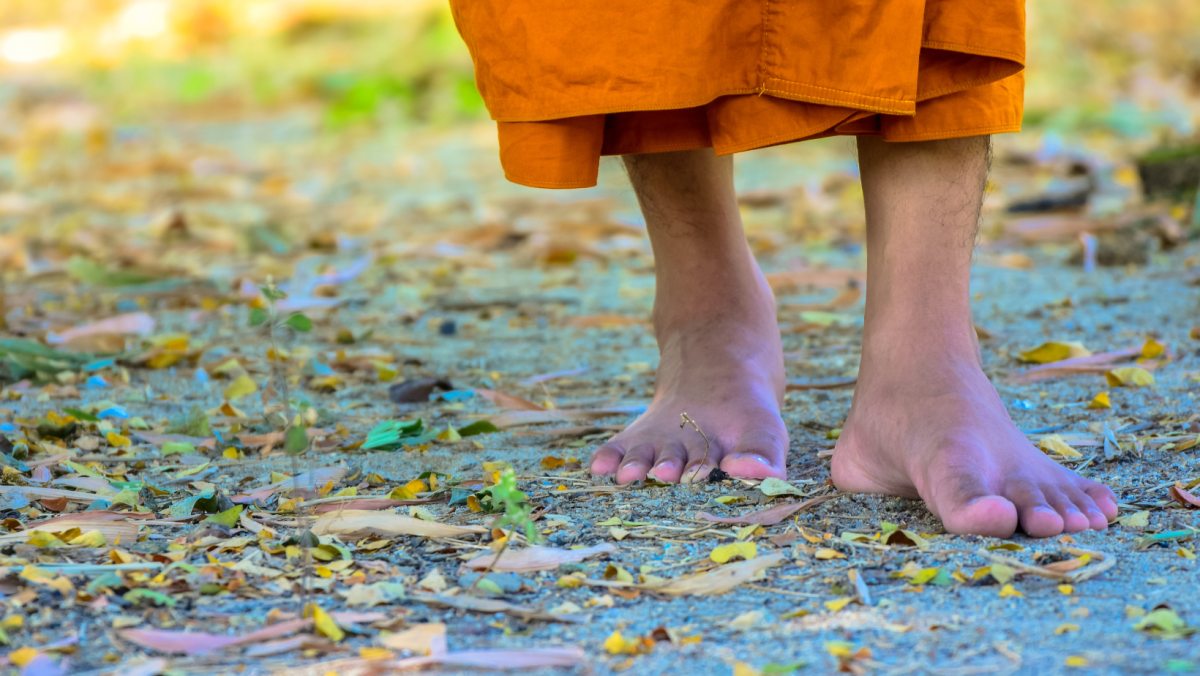
Moving meditation helps us connect more deeply with ourselves because it allows us to focus on our bodies instead of getting caught up in our mind’s constant chatter.
Different Styles of Moving Meditation
So, how does one practice moving meditation? We already are going through the motions of our daily lives, so why not use this as a chance to practice moving meditation? For example, one of the most common forms of moving meditation can be just walking. In walking meditation, we simply focus on our steps and nothing else.
Here are 10 types of moving meditations you can try:
1. Yoga – A practice that combines physical postures with breathwork and mindfulness to improve flexibility, strength, and balance.
2. Tai Chi – An ancient Chinese practice that involves slow, deliberate movements and deep breathing to improve balance, flexibility, and relaxation.
3. Qigong – A Chinese practice that combines gentle movements with breathwork and visualization to cultivate energy and well-being.
4. Walking meditation – A practice that involves walking mindfully, with awareness of the breath and sensations in the body.
5. Dance meditation – A practice that involves dancing mindfully, with awareness of the movements and sensations of the body.
6. Swimming meditation – A practice that involves swimming mindfully, with awareness of the breath and sensations in the body.
7. Martial arts – Practices such as Karate, Kung Fu, and Judo involve physical movements and discipline, which can help to cultivate mindfulness and focus.
8. Running meditation – A practice that involves running mindfully, with awareness of the breath and sensations in the body.
9. Horseback riding – A practice that involves connecting with and guiding a horse through mindful movements and awareness of the body.
10. Gardening meditation – A practice that involves working in the garden mindfully, with awareness of the breath and sensations in the body, while cultivating a connection with nature.
How to practice moving meditation. Step-by-step guide
Here is a step-by-step guide for practicing moving meditation:
- Choose a form of moving meditation that resonates with you, such as yoga, Tai Chi, or walking meditation.
- Find a quiet and peaceful environment where you can practice without distractions or interruptions.
- Wear comfortable and loose-fitting clothing that allows for ease of movement.
- Begin by taking a few deep breaths to center and ground yourself. Focus your attention on your breath, feeling the sensation of the air moving in and out of your body.
- Start to move your body in a gentle and mindful way, following the instructions of your chosen practice. For example, in yoga, you might start with some simple stretches and movements to warm up the body.
- As you move, try to maintain a sense of mindfulness and awareness, staying present in the moment and observing the sensations in your body.
- Focus your attention on your breath, allowing it to guide your movements and deepen your sense of relaxation.
- Continue to move mindfully and breathe deeply for as long as you feel comfortable, allowing yourself to become more fully immersed in the practice.
- As you come to the end of your practice, take a few moments to rest in a comfortable position, observing any sensations in your body and noticing the effects of the practice on your mind and emotions.
- Finally, take a few deep breaths to complete your practice, feeling a sense of relaxation and calm as you return to your day.
Be aware that the key to practicing moving meditation is to approach it with an open and curious mind, allowing yourself to fully immerse in the experience and enjoy the benefits that come with it. It’s also important to be patient and gentle with yourself, recognizing that it may take time to develop a regular practice and experience the full benefits of moving meditation.
Why should One Practice Moving Meditation?
If you pay attention, you may be surprised at how much of your day is spent thinking about the past or planning for the future. These thoughts can be consuming, keeping you from enjoying the present moment. In fact, this is one of the biggest challenges that we face in our daily lives: How do we stay in the moment?
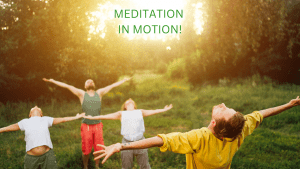
One way to stay in the moment is through the practice of moving meditation.
Moving meditation is unique because it combines physical movement with mindfulness and deep breathing. While traditional forms of meditation often involve sitting or lying down in a still and quiet environment, moving meditation can be practiced while engaging the body in gentle or dynamic movements.
By engaging the body in movement, moving meditation can be a more accessible form of meditation for those who struggle with sitting still or find traditional forms of meditation challenging. It can also be ideal for those who enjoy physical movement and would like to incorporate mindfulness and meditation into their physical practices. Physical movement can help to reduce restlessness and promote relaxation, making it easier to focus the mind and cultivate mindfulness.
Benefits of Moving Meditation
Just like any mindful activity, there are many benefits to moving meditation. Benefits include:
- Improves physical health: Many forms of moving meditation involve gentle movements that promote physical well-being. Practicing moving meditation can help to increase flexibility, strength, and balance, as well as improve circulation and cardiovascular health.
- Reduces stress and anxiety: Moving meditation can be a powerful tool for reducing stress and anxiety, as it promotes relaxation and reduces tension in the body and mind. It can also help to improve mood and promote feelings of well-being.
- Promotes mindfulness: Moving meditation can help to cultivate mindfulness, which is the ability to stay focused and present in the moment. By paying attention to the movements of the body and the sensations in the breath, moving meditation can help to quiet the mind and promote a sense of inner peace.
- Boosts energy and vitality: Practices like Qigong and Tai Chi are specifically designed to cultivate and circulate energy throughout the body. This can help to promote vitality, improve immune function, and reduce fatigue.
- Enhances creativity and self-expression: Moving meditation practices like dance meditation can provide a way to express oneself creatively and tap into the body’s natural movement and rhythm.
- Increases self-awareness: Moving meditation can help to deepen our awareness of our own body, emotions, and thoughts. This increased self-awareness can lead to greater self-knowledge and a greater sense of connection to ourselves and others.
RELATED ARTICLE YOU MIGHT LIKE
What is Perception Meditation?
What is Zen Meditation? Origin, Techniques, and Benefits
Mindful Meditation: An Ancient Practice That Heals Body and Mind.
10 Ways Yoga Can Make You Look Younger
How does Chiropractic Adjustment Help the Body?
Conclusion
Moving meditation has been around for centuries and is still growing in popularity today. It’s not just a trend, but an ancient practice that will help you improve your physical and mental health.
We hope that this article has given you some insight into what moving meditation is all about, as well as its benefits and styles.
All in all, we think that moving meditation is a great way to relax. It is an activity you can do with your friends or by yourself, and it’s fun! So go ahead and give it a try!
Explore meditation resources in our Wellness Directory here. Suggest a business or Add your business to our directory.
Would you like to write to us? We are currently accepting guest posts on health and wellness topics. Submit your post here.
Explore the gratitude blog Yapree
Disclaimer: The information and advice contained in our articles are intended for general informational purposes only. The content on our site does not provide any medical advice and only reflects the opinion of writers. You should always consult a qualified healthcare professional before making any decisions about your health or well-being.


