
Introduction
Have you ever wanted to try yoga but wondered if you were too old, or too out of shape, or just not flexible enough? Starting a yoga practice can be intimidating, especially if you are new to the practice. If you are a beginner, here are 12 tips to help you get started and make the most out of your yoga practice.
Yoga Tips For Beginners
Choose the Right Type of Yoga for You
Yoga has many different styles, each with its own focus and benefits. Some styles are more physically demanding, while others are more meditative. It’s essential to choose a style that aligns with your goals and preferences. Take the time to research and explore different styles to find the one that resonates with you.
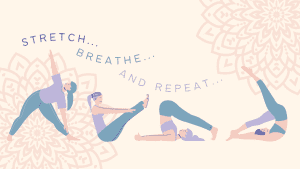
When it comes to yoga, beginners can benefit from exploring different styles to find one that resonates with their goals and physical abilities. As a yoga tip for beginners, it’s important to consider factors such as your fitness level, flexibility, and personal preferences when choosing a style. For instance, if you’re looking for a more relaxing and gentle practice, then Yin or Restorative Yoga may be a good fit. On the other hand, if you’re seeking a more vigorous workout, then Vinyasa or Ashtanga yoga may be more appropriate.
Consider your physical abilities and fitness level. If you are new to yoga and have limited flexibility or mobility, a gentle or restorative yoga class may be a good starting point. On the other hand, if you are looking for a more challenging and dynamic practice, a vinyasa or power yoga class may be more suitable. It’s important to choose a class that aligns with your physical abilities to avoid injury and frustration. Additionally, consider your goals for practicing yoga, whether it’s stress relief, improved flexibility, or building strength. Different yoga styles may be more effective in achieving specific goals, so it’s important to choose a class that aligns with your goals.
Start Slowly
One of the most essential yoga tips for beginners is to start slowly and gradually build your practice. Yoga is a personal journey, and progress takes time, patience, and dedication. Rushing into more advanced poses can lead to frustration, injury, and discouragement. Instead, start with simple poses and gradually work your way up to more challenging ones. Remember to focus on proper alignment, breath control, and listening to your body’s needs. Don’t push yourself too hard or compare yourself to others. With time, consistency, and perseverance, you will gradually build your strength, flexibility, and confidence in your practice.
Practice Mindfulness
A valuable yoga tip for beginners is to incorporate mindfulness into their practice. Mindfulness is a key aspect of yoga. Focus on your breath and be fully present in the moment. Don’t let your mind wander or get distracted by outside thoughts.

By practicing mindfulness, you can deepen your practice and reap even more benefits.By doing so, it can bring a whole new level of awareness and intentionality to their movements. Mindfulness helps one to be present and focused on their breath, their body, and the current moment rather than just going through the motions. With mindfulness, beginners can gain a deeper understanding of their bodies and movements, allowing them to practice yoga more effectively and with more purpose.
Use Props
When it comes to practicing yoga, especially for beginners, using props can be an incredibly helpful yoga tip. They provide an extra layer of support and make it easier to maintain proper alignment, which is crucial for avoiding injuries. Blocks, straps, and blankets are some of the most common props used in yoga. Blocks are particularly useful for beginners as they can help you modify poses that may be challenging due to flexibility limitations. Straps can be used to extend your reach and make it easier to hold poses for a longer time. Blankets can be used to cushion joints or provide extra support in poses where you need to prop yourself up.
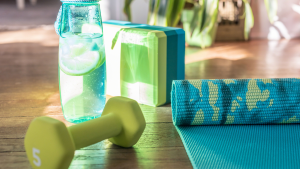
So, if you’re a beginner, don’t hesitate to make use of props. They can help you get into poses more easily, hold them for longer periods, and deepen your stretches safely. Remember, the goal of yoga is not to be perfect but to find comfort and ease in your body. Utilizing props can help you do just that while providing extra support along the way.
Using props can also help you overcome physical limitations and injuries.
It’s important to remember that using props doesn’t mean you’re taking the easy way out. In fact, props can help you get deeper into a pose and challenge yourself in new ways.
Listen to Your Body
Yoga is all about listening to your body, respecting its boundaries, and nurturing it with love and care. It is important to remember that every individual is different, and what works for someone else may not work for you. So, it is crucial to pay attention to your body and honor its unique needs and limitations. If you feel pain or discomfort while performing a particular pose, it is a sign to back off and modify or skip the pose altogether.
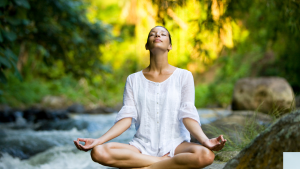
Be gentle with yourself, and don’t push beyond your limits. Pushing yourself too hard can lead to injury, which can set back your practice. Instead, focus on gradually building strength and flexibility over time. You can start with simple poses and gradually work your way up to more challenging ones as your body becomes stronger and more flexible. Remember, yoga is not a competition, and there is no need to compare yourself with others. Embrace your own journey, and celebrate your progress, no matter how small it may seem.
Find a Good Teacher
Finding a good teacher can be a game-changer when starting your yoga journey. A knowledgeable and experienced teacher can offer guidance, support, and motivation to help you develop a solid foundation in your practice. It is essential to look for a teacher who has a deep understanding of the practice and can offer modifications and variations to suit your needs and abilities.

A supportive teacher will help you feel comfortable and safe in the class, regardless of your level of experience. They will create a positive and non-judgmental environment, which will help you stay focused and motivated during the class. A compassionate teacher understands that yoga is a personal practice, and everyone’s body is different. They will encourage you to listen to your body, be gentle with yourself, and honor your limitations.
Create a Sacred Space

Creating a dedicated space for your yoga practice can help you stay focused and motivated. Having a dedicated space for your yoga practice can be a game-changer for your routine. It allows you to create a special atmosphere that can help you get into the right mindset and make your practice more effective.
You don’t need a large space for this – even a small corner in your home can work well. Just ensure that the space is quiet, clean, and free from distractions.
Practice Consistently
Consistency is key when starting a yoga practice. Try to practice regularly, even if it’s just for a few minutes each day Even practicing for just a few minutes each day can help you build the habit and establish a routine. If you find it challenging to set aside time for a full practice, start with shorter sessions and gradually increase the length as you become more comfortable.
Additionally, consistency helps you to maintain and improve your flexibility and strength. Regular practice keeps the body moving and helps to prevent stiffness, which can lead to injury. Consistency also enables you to track your progress and see improvements over time. By practicing regularly, you will be able to notice subtle changes in your body and mind, such as increased flexibility, reduced stress, and improved concentration.
Don’t Compare Yourself to Others
One of the beautiful things about yoga is that it’s a personal practice, meaning that everyone’s journey is unique. It’s easy to fall into the trap of comparing yourself to others in a yoga class or on social media, but it’s important to remember that each person’s body and abilities are different. Don’t feel discouraged if you can’t do a pose perfectly or if you’re struggling with a particular aspect of your practice. Instead, focus on your own progress and celebrate your successes, no matter how small they may seem.

If you’re new to yoga, here’s a helpful yoga tip for beginners: cultivate a non-judgmental attitude towards yourself and your practice. It’s crucial to be kind to yourself and keep in mind that yoga is a journey, not a destination. Each time you step onto your mat, you have the chance to discover something new about yourself and your body. Don’t be too focused on the end result and instead, embrace the process. With dedication and time, you’ll see progress in your practice, but the most significant thing is that you’re consistently showing up and doing the work.
Have Fun!
As a yoga tip for beginners, it’s crucial to remember to have fun with your yoga practice. Yoga can bring a lot of joy and fulfillment to your life, and it’s essential to embrace this aspect of the practice. As you start your yoga journey, keep in mind that the practice is not about being perfect or achieving a certain level of mastery. Instead, it’s about enjoying the process and finding joy in the journey. So, when you step onto your mat, try to let go of any expectations or pressures you may have put on yourself. Allow yourself to just be in the moment, to breathe and move, and to have fun!
RELATED ARTICLE
11 Essential Things to Bring to Yoga Class
How to Choose Yoga Mat For Yoga
How to Find The Best Yoga Studio
Yoga and Depression. What is the connection?
Do You Need To Learn Sanskrit To Teach Yoga?
How to Become a Yoga Instructor: All you need to Know
Do a child’s pose whenever you want to or need to.
If you’re feeling tired or stressed, or if you just want to take a break from a series of sun salutations, do a child’s pose whenever you want!
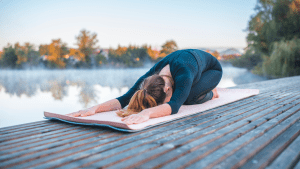
The child’s pose is a resting pose that helps to relieve stress and fatigue. It can be done at any time during your yoga practice. This yoga tip is not just for beginners. After every yoga practice, it is essential to end with a restorative child’s pose.
Talk with your yoga instructor after class
One of the best things about a yoga class is that your instructor is there to help you. If you have questions or concerns, ask them! Your instructor will be able to help you if you’re struggling with a pose, give tips on how to improve your practice and answer any questions you have about the class.
Takeaway
So there you have it. As a beginner, follow these tips and get the most out of your Yoga practice! Yoga is challenging but possible for beginners. Don’t give up if you’re not getting it right away, and don’t compare yourself to other people. If you’re not feeling confident in a pose, ask the instructor how to do the pose correctly or simply take a break.
Don’t be afraid to ask questions! You’ll likely learn more by asking questions than by just trying stuff out on your own.
Conclusion
Yoga is a great way to get in shape, relieve stress, and feel relaxed. And if you’re new to yoga, don’t worry! It may seem like an intimidating activity at first, but once you start doing it regularly with the help of the tips we’ve outlined above, as Yoga beginners you find yourself more confident as you begin your Yoga Journey!
Frequently Asked Questions
What is the best advice for a beginner in yoga?
For anyone new to yoga, the best advice is to start with a basic class. In a basic class, you will learn the fundamental poses and breathing techniques that form the foundation of all yoga practices. Once you have mastered the basics, you can branch out into more specialized classes, such as power yoga or hot yoga. However, it is important to remember that even the simplest poses can be challenging, so it is important to listen to your body and take breaks when you need them. With patience and practice, you will soon find yourself feeling more flexible, strong, and calm.
How many times a week should a beginner do yoga?
This is a very important tip for beginners! A yoga class twice a week is ideal to start with. If you can make it three or four times a week, even better! The key is to find a class that works for your schedule and stick with it. If you’re new to yoga, it’s also important to start slow and be mindful of your body. There’s no need to push yourself harder than you’re comfortable with. Remember, yoga is about connecting with your body and breathing and taking the time to nurture your practice. With consistent attendance, you’ll begin to see (and feel) the benefits of yoga in no time.
How do I know if I’m doing yoga correctly?
One of the great things about yoga is that it can be adapted to fit any level of fitness or flexibility. Whether you’re a beginner who’s just starting to explore the practice or a seasoned yogi who’s been perfecting your sun salutations for years, there’s always room to grow and improve your technique. So how can you tell if you’re doing yoga correctly?
First, take a look at your alignment. Are your joints stacked directly on top of each other, or are you collapsing into your poses? Proper alignment will help you to avoid injuries and get the most out of each pose. Second, focus on your breath. Breath is an essential part of yoga, and it should be deep and even throughout your practice. If you find yourself holding your breath or gasping for air, take a break and try again when you’re ready. Finally, listen to your body. Yoga should feel challenging but not painful. If you start to feel pain, back off or adjust your position. With time and practice, you’ll develop a better understanding of how to do yoga correctly.
Can I do yoga every day as a beginner?
The answer to this question depends on your goals and how your body is feeling. Generally speaking, it’s safe to do yoga every day as a beginner, but you may want to start with a few days per week and then gradually increase your frequency as you become more comfortable with the practice. If you’re just starting out, it’s also a good idea to choose a gentle or beginner-level class so that you don’t overdo it and risk injury.
Remember that yoga is a journey, not a competition, so there’s no need to push yourself too hard. Listen to your body and take things at your own pace. With time and patience, you’ll be doing yoga every day in no time.
How long should you do yoga for beginners?
For beginners, yoga should be something that is done for at least 30 minutes a day. This gives you enough time to get into each pose and hold it for at least 10 seconds. You should also make sure that you are doing the poses correctly so that you do not hurt yourself.
There are many instructional videos and books available that can help you with this. Once you have been doing yoga for a while, you can start to increase the amount of time that you do it. Eventually, you may want to make it a part of your daily routine.
How much yoga should a beginner do?
For beginners, it is generally recommended that you practice yoga 3-4 times per week. This allows your body to get used to the new movements and positions without overstressing your muscles or joints. If you are just starting out, it may be helpful to take a yoga class or two so that you can learn the correct form for each pose.
Once you have a good understanding of the basic poses, you can begin practicing at home or try a more advanced class. Remember to listen to your body and stop if you feel any pain or discomfort. With regular practice, you will start to see improvements in your flexibility, strength, and stamina.
Explore Yoga Studios and Yoga Teachers in our Yoga Directory. Suggest a business or Add your business to our directory


