
Introduction
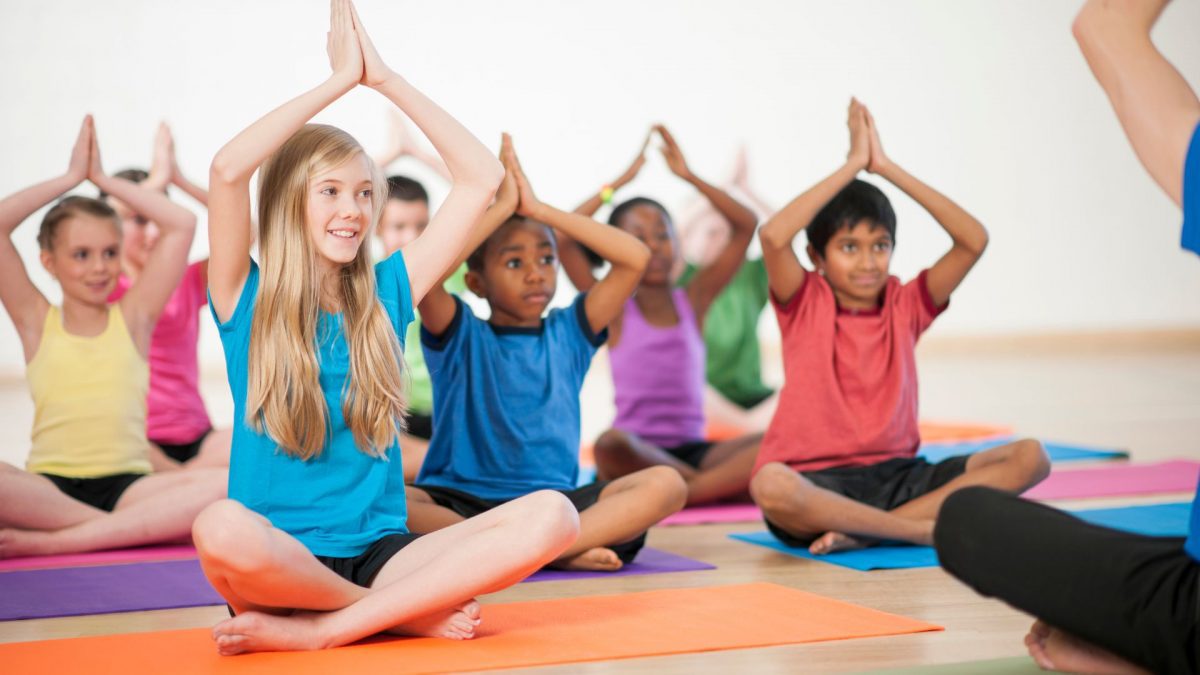
As adults, we often turn to yoga to find peace, relaxation, and balance in our busy lives. But what about our children? They too experience stress, anxiety, and the pressures of growing up in a fast-paced world.
Yoga is not just for adults, it can also benefit children in profound ways. It offers a safe and nurturing space for children to explore their bodies, emotions, and thoughts. By introducing yoga to children, we empower them with tools to cope with life’s challenges, build resilience, and foster a lifelong appreciation for wellness. It is time to recognize that yoga is not just an adult practice but an invaluable resource for our children’s physical, emotional, and mental well-being.
Benefits of Yoga for young children
#1. Boosts Brain Power
The brain-boosting benefits of yoga are numerous and include improved attention span, perception, organization, and creative thinking skills, as well as better memory, anxiety levels, and stress responses. Research suggests that yoga boosts IQ in children by improving their ability to concentrate.

Yogic exercises develop children’s coordination by reducing stress and anxiety levels. It also improves memory, focus, and attention span. All these benefits end up boosting brain power, which helps children learn better. Yoga also provides the physical and mental exercise that children need to keep their brains healthy. Exercises like asanas (yogic postures), pranayama (breathing exercises), and meditation help children develop their mental faculties. Regular practice helps them focus better on tasks at hand, become more organized, and improve their memory skills.
#2. Strengthens and Builds Confidence
Yoga practice can be a great way to strengthen and build confidence in children. When children learn and practice yoga, they learn to control their bodies and mind, which can help them develop a sense of self-awareness and confidence in their abilities. As children become more skilled in yoga poses and sequences, they can see progress and growth in their abilities, which can boost their self-esteem and confidence.
In addition to physical strength, yoga can also help children develop mental and emotional strength. Through breathing exercises and relaxation techniques, children can learn to manage their emotions and cope with stress and anxiety. This can give them a sense of control over their thoughts and emotions, which can be a powerful tool for building confidence.
Yoga can also provide a safe and supportive environment for children to explore their abilities and try new things. In a yoga class, there is no competition or comparison to others. Each child is encouraged to practice at their own pace and to listen to their body. This can help children feel comfortable and confident in their own skin, without feeling pressure to measure up to others.
Yoga practice can be a fun and empowering way for children to develop strength and confidence, both physically and mentally. By teaching children to control their bodies and mind, yoga can help them feel more in control of their lives and more confident in their abilities.
#3. Improves Energy Levels

Yoga practice can also improve energy levels in children. The physical movements and breathing exercises involved in yoga can help to increase circulation and oxygen flow throughout the body, which can lead to a boost in energy levels.
Yoga poses can also help to release tension and stress in the body, which can leave children feeling more relaxed and energized. This can be especially helpful for children who may be feeling tired or lethargic due to a lack of physical activity or a busy schedule.
In addition to physical energy, yoga can also help to improve mental and emotional energy levels. Through mindfulness and relaxation techniques, children can learn to manage their emotions and reduce stress, which can leave them feeling more focused and energized.
Incorporating yoga into a child’s routine can be a great way to boost their energy levels and help them feel more alert and focused throughout the day. Whether it’s through physical movements or mindfulness techniques, yoga can provide a natural and holistic way for children to improve their overall energy and vitality.
#4. Teaches Resilience

Yoga can be a powerful tool for teaching resilience to children. Resilience is the ability to bounce back from setbacks and challenges, and it’s an important skill for children to develop as they navigate the ups and downs of life.
Through yoga practice, children can learn to cultivate resilience in a number of ways. One of the primary ways is by learning to stay present and focused in the moment, even when things get difficult. This can be achieved through breathing exercises and mindfulness techniques that help children to stay centered and calm, even in stressful situations.
Yoga also provides a safe and supportive environment for children to challenge themselves and try new things. In a yoga class, children are encouraged to practice at their own pace and to try poses that may be outside of their comfort zone. This can help to build resilience by teaching children that it’s okay to make mistakes and that failure is just a part of the learning process.
Additionally, yoga can help to build physical strength and endurance, which can translate into greater resilience in other areas of life. When children feel strong and capable in their bodies, they may be more likely to tackle challenges and persevere through difficult situations.
Yoga practice can be a powerful way to teach children resilience. By helping them to stay present, encouraging them to challenge themselves, and building physical strength, yoga can help them develop the skills they need to bounce back from setbacks and thrive in the face of adversity.
#5. Improves Focus and Attention Span
Yoga can be an effective way to improve focus and attention span in children. Yoga practice involves a combination of physical movements, breathing exercises, and mindfulness techniques, all of which can help to increase concentration and mental clarity.
Physical movements involved in yoga require children to focus on their body and breathing, which can help to develop body awareness and mindfulness. Breathing exercises, such as deep breathing or alternate nostril breathing, can also help to calm the mind and improve focus.
Mindfulness techniques, such as meditation or visualization, can also be a valuable tool for improving focus and attention span in children. These practices involve focusing the mind on a particular object or idea, which can help to train the brain to stay focused and avoid distractions.
Yoga can also help to reduce stress and anxiety in children, which can improve their ability to concentrate and stay focused. When children feel calm and relaxed, they are better able to focus their attention on the task at hand.
Overall, incorporating yoga into a child’s routine can be a beneficial way to improve their focus and attention span. Through a combination of physical movements, breathing exercises, and mindfulness techniques, children can develop the skills they need to stay focused and attentive, both on and off the yoga mat.
#6. Increased Emotional Intelligence
Developing emotional intelligence is crucial for success both in school and in life. Numerous studies have shown that yoga can be a powerful tool for enhancing emotional intelligence in young children. Through regular practice, children can learn to identify and manage their own emotions, as well as recognize and empathize with the emotions of others.
Yoga practice can help children to handle difficulties and challenges by increasing their awareness of their emotions. As they become more confident in social situations, they are better equipped to form positive relationships with their peers. In addition, practicing yoga can help children to better regulate their emotions, which is especially important as they navigate the challenges of growing up, such as dealing with peer pressure or bullying at school.
Incorporating yoga into a child’s routine can have a positive impact on their emotional intelligence. By providing children with the tools they need to manage their emotions and build healthy relationships, yoga can help to set them on a path to success in school and in life.
#7. Reduces Stress and Anxiety Levels

The practice of yoga is known to be highly effective in reducing stress and anxiety levels in children. The calming and relaxing qualities of yoga can help children to relax and become more centered, allowing them to better cope with the stresses and challenges of daily life.
Through the practice of yoga, children can learn to become more aware of their bodies and minds. They develop a greater sense of self-awareness, enabling them to better recognize and manage their emotions.
This increased sense of self-awareness can help them to better cope with stressful situations, such as schoolwork or social interactions. By practicing yoga regularly, children can develop the skills they need to better control their emotions, leading to a more balanced and peaceful state of mind.
Yoga is an excellent tool for reducing stress and anxiety levels in children. By helping children to become more aware of their bodies and emotions, yoga can empower them to better manage stress and anxiety throughout their lives.
#9. Promotes better overall health
Yoga is a holistic practice that can promote better overall health in children. By engaging in regular yoga practice, children can experience a range of physical, mental, and emotional benefits that can positively impact their overall health and well-being.
The physical benefits of yoga for children include improved flexibility, balance, strength, and coordination. The physical postures (asanas) practiced in yoga can help children to develop a greater sense of body awareness, while also promoting healthy circulation, digestion, and respiration. Regular yoga practice can also improve sleep quality, boost immune function, and reduce the risk of chronic diseases.
Yoga is a powerful tool for promoting better overall health in children. By encouraging physical activity, mindfulness, and self-awareness, yoga can support them in developing healthy habits and positive attitudes that can benefit them throughout their lives.
#10. Teaches them mindfulness
Yoga is a great tool for teaching children mindfulness. Through yoga practice, children learn to focus their attention on their breath, body, and movements, which helps to cultivate mindfulness.
Yoga postures (asanas) are often performed slowly and deliberately, which encourages children to pay attention to their body movements and sensations. Breathing techniques (pranayama) are also an important aspect of yoga and can help children to become more aware of their breath and how it affects their bodies and mind.
By practicing mindfulness through yoga, children can develop skills that can be applied in many areas of their lives. Mindfulness can help children to manage stress, regulate their emotions, and improve their ability to focus and concentrate. It can also help children to develop greater self-awareness and empathy, which can support positive social relationships.
RELATED ARTICLES YOU MIGHT LIKE
8 Ways Yoga Promotes Heart Health
10 Ways Yoga is Good For Your Mental Health
15 Ways Yoga Will Change Your Life
Five Things Will Change When You Practice Yoga
Conclusion
Yoga is an incredibly beneficial practice for young children. Not only does it promote physical health, but it also has numerous mental and emotional benefits as well. Through yoga, they can develop strength, flexibility, and balance, which can support healthy growth and development. Additionally, yoga can help them to cultivate important life skills such as mindfulness, emotional intelligence, and resilience.
Yoga can be a great way for children to release pent-up energy and promote relaxation. By participating in regular yoga practice, they can learn to manage their emotions and cope with stress more effectively. Additionally, yoga can help children to improve their self-esteem and confidence, as they learn to master new postures and movements.
Furthermore, yoga can be adapted to meet the needs and abilities of children of all ages and physical abilities. It can also be easily integrated into school curriculums and community programs, making it accessible to a wide range of children. Parents and caregivers can also participate in yoga with their children, making it a fun and engaging family activity.
Overall, the benefits of yoga for young children are numerous and wide-ranging. It can support physical, mental, and emotional health, as well as promote positive social relationships and learning. By introducing yoga into children’s lives at an early age, we can help them to develop lifelong habits of self-care and mindfulness that will serve them well throughout their lives.
Yoga can also be a fun and engaging activity for children, which can help them to develop positive associations with physical activity and self-care. By making yoga a regular part of their routine, they can gain lifelong benefits that will support their overall health and well-being.
Explore Yoga Studios and Yoga Teachers in our Yoga Wellness Directory here. Suggest a business or Add your business to our directory.
Would you like to write to us? We are currently accepting guest posts on health and wellness topics. Submit your post here.
Disclaimer: The information and advice contained in our articles are intended for general informational purposes only. The content on our site does not provide any medical advice and only reflects the opinion of writers. You should always consult a qualified healthcare professional before making any decisions about your health or well-being.


