
Introduction
Meditation is a powerful and ancient practice that helps train the mind to focus, observe, and eventually transcend the constant mental chatter that often distracts us from the present. It is a conscious act of calming the mind and easing into a state of stillness and presence.
In our daily lives, we are often caught in mental time travel—rehashing past regrets or anticipating future problems. This state of distraction impacts our emotional health, physical energy, and spiritual clarity.
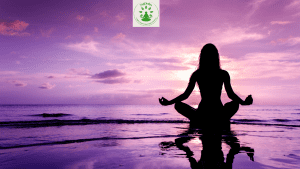
Meditation offers a refuge from this noise. It brings our attention back to the now, nurturing inner peace, mental clarity, and emotional resilience.
Spiritually, it is a profound tool for connecting with our true essence or soul. From a scientific perspective, it trains the brain to step back from thoughts and develop mindful awareness. It’s not about turning into someone else; it’s about embracing who you already are at your core with awareness and compassion.
Highlights: Why Meditation Matters
- | Boosts emotional clarity and resilience
- | Reduces stress, anxiety, and negative thoughts
- | Encourages mindfulness and self-awareness
- | Enhances memory and concentration
- | Deepens your spiritual connection
History and Evolution
The story of this practice is as old as civilization itself. The earliest documented references to meditation appear in the Vedas, ancient Indian texts dating to around 3000 BCE. These scriptures outlined spiritual practices like yoga (focused on physical postures and breath) and dhyana (deep meditative absorption).
The practice expanded through Asia alongside the spread of Hinduism, Jainism, and Buddhism. Buddhist teachings emphasized the practice as a core path to enlightenment, birthing well-known practices such as Vipassana, Zen, and Metta Bhavana (loving-kindness meditation).
In ancient China, Taoist traditions used meditative breathing and energy practices to cultivate life force (Qi). Japan embraced Zazen (seated meditation) as central to Zen practice, focusing on silent introspection.
In the 1600s and 1700s, European thinkers and physicians began exploring meditation for its therapeutic benefits. During the 20th century, psychologists and medical researchers increasingly recognized meditation’s positive effects on mental and physical health. Practices like Transcendental Meditation (TM), Mindfulness-Based Stress Reduction (MBSR), and visualization techniques were developed and validated. Once considered esoteric, meditation is now embraced globally across cultures and health systems.
What Is the Purpose?
The purpose is to train the mind to be aware of thoughts rather than be controlled by them. Our minds produce thousands of thoughts each day—some helpful, many distracting. These thoughts often shape our emotions, influence our actions, and create patterns of stress or anxiety.
By observing our thoughts without judgment, we gain the ability to choose our responses. We discover that we are not our thoughts, but the awareness behind them. This inner space helps us experience life more fully and with greater calm. Meditation slows down the speed and volume of thoughts, and in rare moments of mental silence, we catch a glimpse of our innermost being.
It enhances self-understanding, increases emotional balance, and cultivates mindfulness—a state of being fully present and engaged. It opens doors to deeper concentration, insight, and spiritual realization.
Did You Know?
– Meditation has been practiced for over 5,000 years across cultures.
– Just 10 minutes of daily meditation can improve emotional regulation.
– MRI scans show that regular meditation thickens the prefrontal cortex, the area responsible for decision-making.
– Meditation can reduce age-related memory loss.
– Some hospitals now prescribe meditation as part of treatment for anxiety and chronic pain.
Benefits
With regular practice, one can feel numerous benefits:
- Emotional freedom – Frees the heart from past baggage like regret, resentment, and guilt.
- Stress reduction – Lowers stress hormones, eases tension, and promotes calm.
- Relief from depression – Balances mood and improves emotional resilience.
- Cultivates compassion – Opens the heart to kindness, forgiveness, and empathy.
- Heightens self-awareness – Encourages introspection and insight into behavior and emotions.
- Improves cognitive function – Enhances memory, creativity, and decision-making.
- Boosts confidence – Builds a stronger connection to self-worth and inner peace.
- Promotes relaxation – Invites a deep sense of peace and surrender.
- Controls anxiety – Calms racing thoughts and soothes mental restlessness.
- Supports addiction recovery – Builds self-control and reduces cravings and impulsivity.
- Strengthens relationships – Enhances empathy, listening, and presence with others.
- Enhances physical health – Lowers blood pressure, improves immunity, and reduces chronic pain.
Types of Meditation
Here are 14 popular types to explore:
- Mindfulness Meditation – Observing your breath, thoughts, and sensations without judgment.
- Guided Meditation – A teacher or recording walks you through a peaceful journey or imagery.
- Mantra Meditation – Silently or vocally repeating a sacred sound or word to center the mind.
- Vipassana Meditation – Insight meditation that deeply scans the body and observes sensations.
- Concentration Meditation – Fixing attention on a single object, sound, or image to train focus.
- Self-Hypnosis Meditation – Combines deep relaxation with positive affirmations.
- Guided Imagery – Using mental visualization to promote healing, success, or serenity.
- Open-Eyed Meditation – Meditating with eyes open while focusing on a fixed point or image.
- Mantra Repetition – Chanting phrases like “Om Shanti” or “So Hum” to quiet the mind.
- Visualization Meditation – Mentally picturing an outcome or symbol for clarity and focus.
- Body Scan Meditation – Moving awareness through the body, noticing areas of tension or comfort.
- Walking Meditation – Practicing mindfulness while slowly walking and observing each step.
- Loving-Kindness Meditation – Sending wishes of well-being to yourself and others.
- Chakra Meditation – Focusing on energy centers in the body to promote balance and healing.
Why People Meditate
Some seek spiritual awakening or union with a higher self. Others use it to cope with stress, trauma, or health conditions. Many people want a few minutes of peace in an otherwise busy day. Meditation provides a sanctuary for all.
Whether you’re drawn to its spiritual, mental, or physical benefits, meditation is a journey that unfolds with patience and practice. It meets each person uniquely, supporting what they need most in that moment.
Tips for a Successful Practice
- Start with short sessions—5 to 10 minutes is enough for beginners.
- Practice daily—even a little every day creates momentum.
- Create a calm space—choose a peaceful spot free of distractions.
- Focus on breath—your breath is your anchor.
- Don’t judge your thoughts—observe them and gently return to focus.
- Try different styles—explore until you find what fits your needs.
- Use tools—apps, cushions, or calming sounds can support your practice.
- Keep a journal—reflecting on your practice helps deepen awareness.
- Join a meditation group—shared practice builds commitment.
- Be patient—progress in meditation is subtle and cumulative.
- Stay curious—approach each session with openness and wonder.
Other Articles You Might Like
54 Om Quotes for Meditation and Reflection
Beyond Thoughts: 105 Meditation Quotes for Transcending the Mind
15 Meditation Teachers to Follow for Inner Peace and Transformation
Reiki & Meditation with Melissa & Dennis
Raja Yoga and Meditation Center of Greater Philadelphia
Conclusion
Meditation is more than a wellness trend—it is a timeless path to inner harmony, clarity, and self-realization. It gently reminds us that peace exists within us, not outside. With regular practice, you can experience reduced stress, emotional resilience, and a greater sense of meaning in everyday life.
You don’t need hours of practice to benefit. Even ten mindful minutes a day can shift your awareness and transform your mood. Over time, you may notice that you respond more calmly to stress, feel more connected to others, and live more fully in the present.
Frequently Asked Questions
1. What is meditation, and how does it work?
Meditation is a practice that trains your mind to focus and redirect thoughts. It helps calm mental noise and cultivates mindfulness by encouraging awareness of the present moment. Over time, it can lead to improved emotional regulation and mental clarity.
2. How do I start meditating if I’m a beginner?
Start with just 5 minutes a day in a quiet space. Sit comfortably, close your eyes, and focus on your breath. If your mind wanders, gently bring it back to your breath. Apps or guided meditations can be helpful in the beginning.
3. What are the benefits of meditation?
Meditation improves focus, reduces stress, enhances emotional well-being, supports better sleep, boosts self-awareness, and helps manage anxiety and depression. It also improves overall mental and physical health when practiced regularly.
4. How long should I meditate each day?
Even 10 minutes a day can be beneficial. Beginners can start small and gradually increase to 20–30 minutes. The key is consistency rather than duration. Daily practice brings the best results.
5. Can meditation help with anxiety and depression?
Yes. Many studies show that regular practice can reduce symptoms of anxiety and depression by calming the mind, reducing cortisol levels, and promoting a sense of inner peace and acceptance.
6. Do I need to sit cross-legged or follow a specific posture?
Not at all. You can meditate sitting in a chair, lying down, or even walking. The important thing is to be comfortable and keep your spine aligned so you can stay alert and relaxed.
7. Is meditation a religious practice?
The practice has roots in many spiritual traditions, but it is not inherently religious. It can be practiced by anyone regardless of beliefs. Today, many people use it purely for mental and physical well-being.
8. What is mindfulness meditation?
It involves paying full attention to the present moment without judgment. It teaches you to observe your thoughts, emotions, and bodily sensations as they are, helping you develop clarity and calmness.
9. Can I meditate lying down?
Yes, especially for body scan meditations or relaxation. However, if you tend to fall asleep, sitting might be a better option to stay alert. Choose what works best for your goals.
10. What should I do if my mind keeps wandering?
This is completely normal. Each time you notice your mind wandering, gently bring your focus back to your breath or point of focus. This act of returning is a key part of training.
11. How long does it take to see results from meditation?
Some people feel benefits after just one session, while for others it takes a few weeks of regular practice. Over time, the practice leads to lasting improvements in emotional balance, focus, and well-being.


